



The global market for Pokémon trading cards has seen another wave of price acceleration — but unlike the speculative rush of 2021, this surge is driven by improved authentication standards and increased participation from Web3-native investors.
New digital verification platforms, including VaultX and Authentia Labs, now issue transferable NFT-backed authenticity certificates tied to graded physical cards. These certificates are recognized by major grading services and enable fast resale without physically shipping cards to intermediaries.
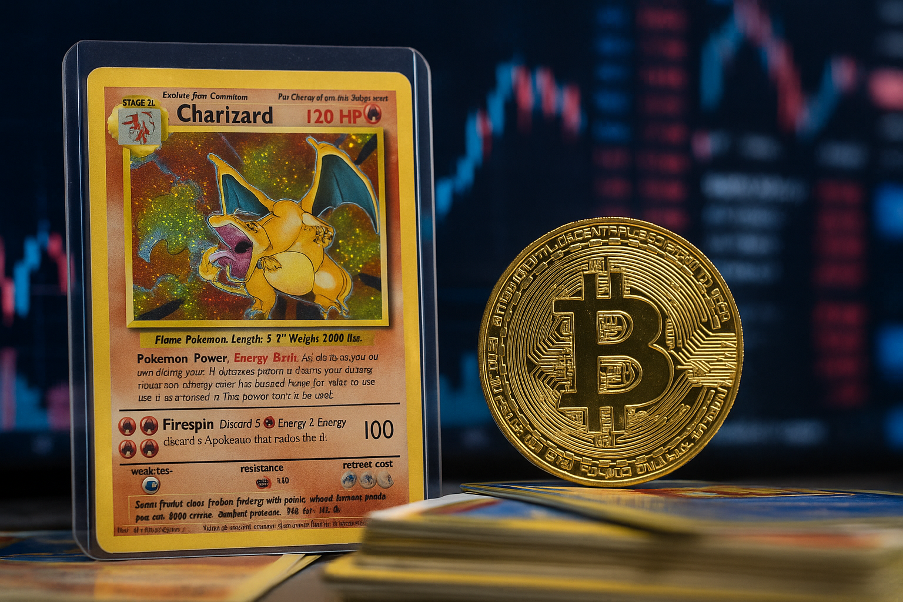
This has significant appeal for crypto investors familiar with NFT liquidity models, fractional ownership, and tokenized asset trading. Several investment pools have begun acquiring high-grade cards and issuing token shares to participants. Recent examples include two Charizard 1st Edition PSA 10 cards that sold via blockchain-secured fractional markets, with oversubscription from buyers in Asia and the U.S.
Industry analysts attribute the renewed growth to one core factor: collectibles are evolving into globally tradable financial instruments. The card itself remains physical, but ownership and authentication are now portable and verifiable on-chain.
However, market researchers caution that pricing remains highly sensitive to cultural trends and influencer-driven hype. Liquidity events also tend to cluster around nostalgia cycles and game franchise releases.
Still, for investors seeking non-correlated assets with strong community support, graded Pokémon cards are emerging once again as a serious alternative investment class — and this time, infrastructure is ready to support institutional-scale participation.