




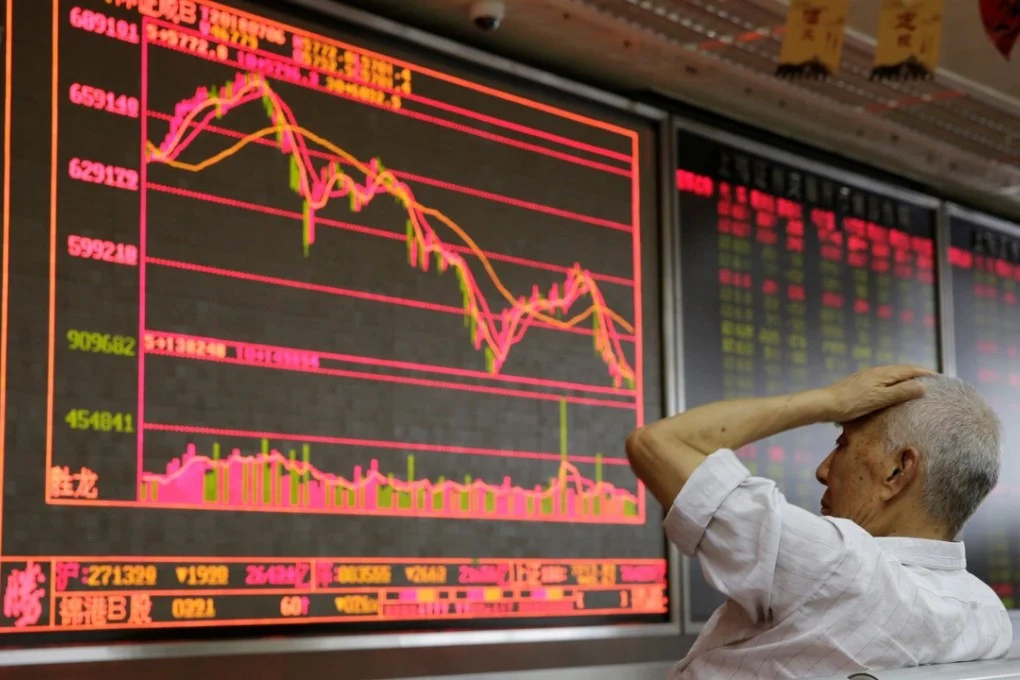
A DeFi analyst known as Tracer has released an investigation alleging that market-making firm Wintermute and the exchange Binance acted in coordination during the major flash crash that shook the crypto market in October. According to his findings, a sequence of linked transactions between the two entities may have been the catalyst behind the $500 billion decline in market value.
Tracer states that shortly before liquidity rapidly thinned, approximately $700 million was transferred from Binance to addresses associated with Wintermute. Moments later, significant sell-offs began across multiple trading pairs, sparking a cascading price collapse.
The report also highlights that over the span of 30 days, roughly $34.5 billion in digital assets moved between Binance and Wintermute wallets. These transfers consistently took place just prior to major market drawdowns, which, according to the analyst, is unlikely to be a coincidence. He argues that the timing suggests deliberately coordinated market operations.
The October 10 flash crash reportedly unfolded within 90 minutes of the initial transfer. At 07:00 Moscow time, Binance sent out the $700M; by 07:30 large-scale sell orders were triggered; and by 08:00 liquidity had nearly vanished. The rapid plunge led to an estimated $19 billion in forced liquidations and a sharp decline across altcoins.
Wintermute has long described its trading approach as “market-neutral.” However, the investigation challenges this narrative, suggesting the firm actively leverages its capital and positioning to influence market direction while presenting the volatility as organic.
Rumors of potential legal actions against both Wintermute and Binance surfaced shortly after the allegations but were swiftly denied by both organizations. The quick response, however, has only amplified speculation about the depth of cooperation between them.
Tracer warns retail investors to avoid active trading until liquidity conditions stabilize, claiming that major players like Binance and Wintermute possess the ability to “turn the market on or off” at will, leaving everyday traders as the primary victims of such moves.